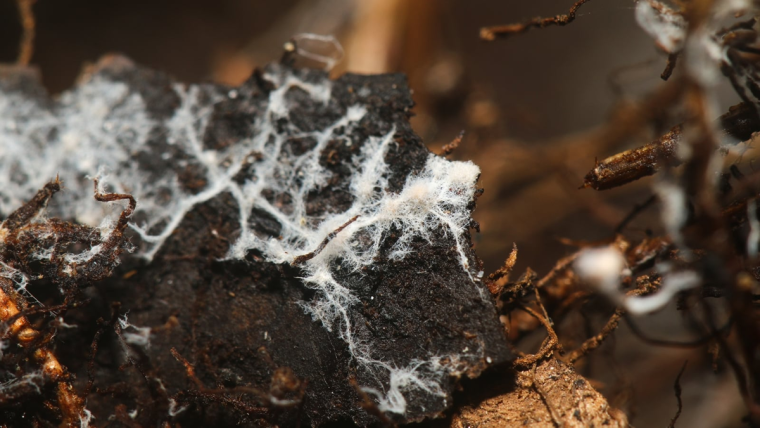
Of all the forest denizens, fungi may be the most misunderstood. Many people wrinkle their noses at the thought of them. People see mold on bread or infections on skin. Yet, they are indispensable partners that have quietly sustained the forest for centuries.
“Over 90% of plants are dependent on Mycorrhizal symbiosis between plants and fungi and this process also enhances photosynthesis in plants, increasing carbon uptake from the atmosphere and helping to stop climate change.” -Wikipedia.
Imagine a world without fungi. Imagine a forest without fungi. That’s what happens when people with good intentions clear an area and plant trees in neat rows as if growing a forest is like farming. It is not. A giant field of trees grown this way does not a forest make. The plantation lacks diversity and deprived of necessary fungi, the trees cannot get the full spectrum of nutrition and protection they need.
The irony is that they then use products derived from fungi to suppress the weeds, diseases, and pests that a healthy forest with a strong network of fungi can often control by itself. A monoculture plantation of trees is just another anemic attempt to reduce CO2 and fight climate change.
It is sad to see a tree planted alone in the middle of someone’s lawn. The attempt to beautify may be admirable, but by isolating the tree from its forest kin and the special fungi it needs, they are dooming themselves to relying on artificial support instead of the natural sustenance available in a real forest.
To be fair, trees in the forest face hardships, too, especially from competition for light. That competition might distort the way the tree grows causing a less than perfect specimen compared to the one surrounded by lawn and artificially sustained. It probably won’t satisfy the aesthetic eyes of suburbanites, oblivious to the fungi desired by the tree.
Alternatively, rather than drag a tree out of its comfort zone, why not bring people into the forest to gently witness the beauty of trees surrounded by kin and fed by fungi? Maybe that experience and the wisdom it can inspire will stimulate suburbanites, while eating fresh mushrooms, to rethink the way they plant their yards and embrace all the fungus among us.
The more I observe human behavior as it relates to this forest, the more I realize that profit has repeatedly been one of the strongest motivations. There are several tall 100-foot, straight pine trees here that are economically worthwhile to cut, chip, or removed by some other means. They are accessible and can be conveniently felled. Someone could easily earn…
People love the scent of a balsam fir tree on a hot summer day or when they chop it down to become their annual Christmas tree. If people concentrate, they can probably pick up additional scents when hiking in the forest. Compared with many forest animals, the human sense of smell is extremely limited. The forest air is awash with…
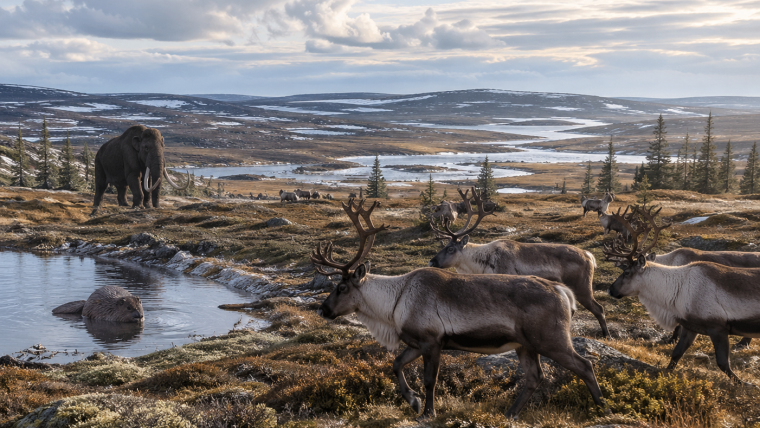
Looking at the largely barren post-glacial landscape, scientists call it tundra. Yet, it is really a nascent forest. At first glance there isn’t much to see. No trees. No towering canopy. Nothing most people would recognize as a forest. Yet the land is teaming with life. Microorganisms are rapidly reproducing. Fungi are spreading, forming partnerships with the earliest plants, helping…
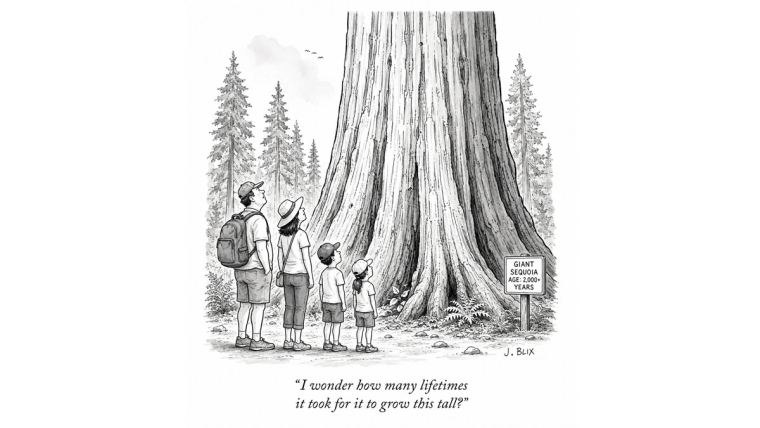
The answer is one. Lifetimes are relative. In the forest every living individual is destined to be born and die within its own “life time”. Yet, the forest itself carries on. The forest doesn’t really have a lifetime. Without any catastrophic disturbances a forest just continues growing, developing, and evolving. Every individual organism in it will eventually die and be…
Of all the forest denizens, fungi may be the most misunderstood. Many people wrinkle their noses at the thought of them. People see mold on bread or infections on skin. Yet, they are indispensable partners that have quietly sustained the forest for centuries. “Over 90% of plants are dependent on Mycorrhizal symbiosis between plants and fungi and this process also…
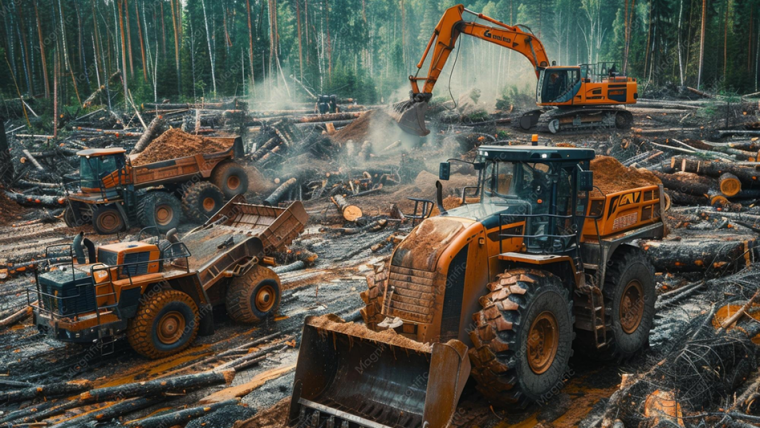
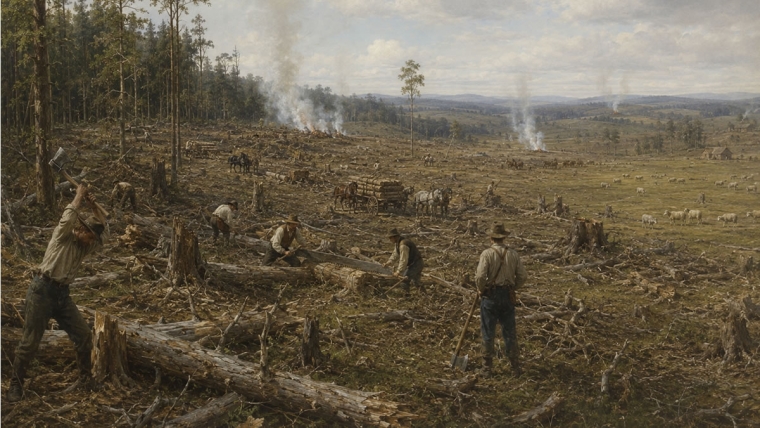
Most people today have very little appreciation of the massive destruction that once ravaged this little forest. Hundreds of trees were cut down, stones were dug up and piled in lines, and millions, no billions – wait make that – trillions of other living things were instantly killed, starved, or disrupted. They were replaced by flocks of sheep. The farmer…