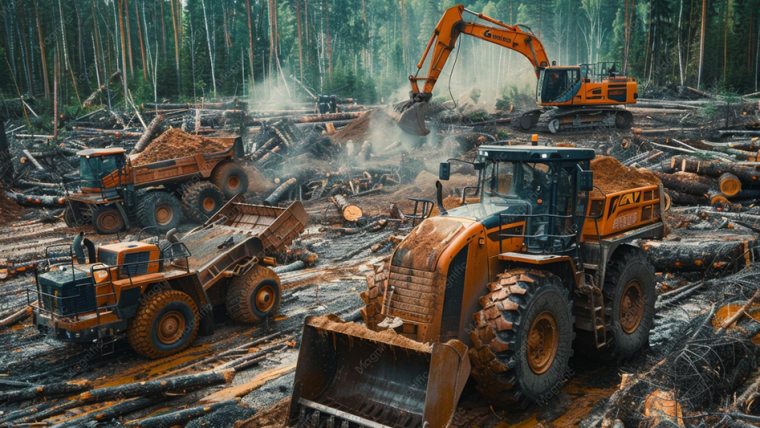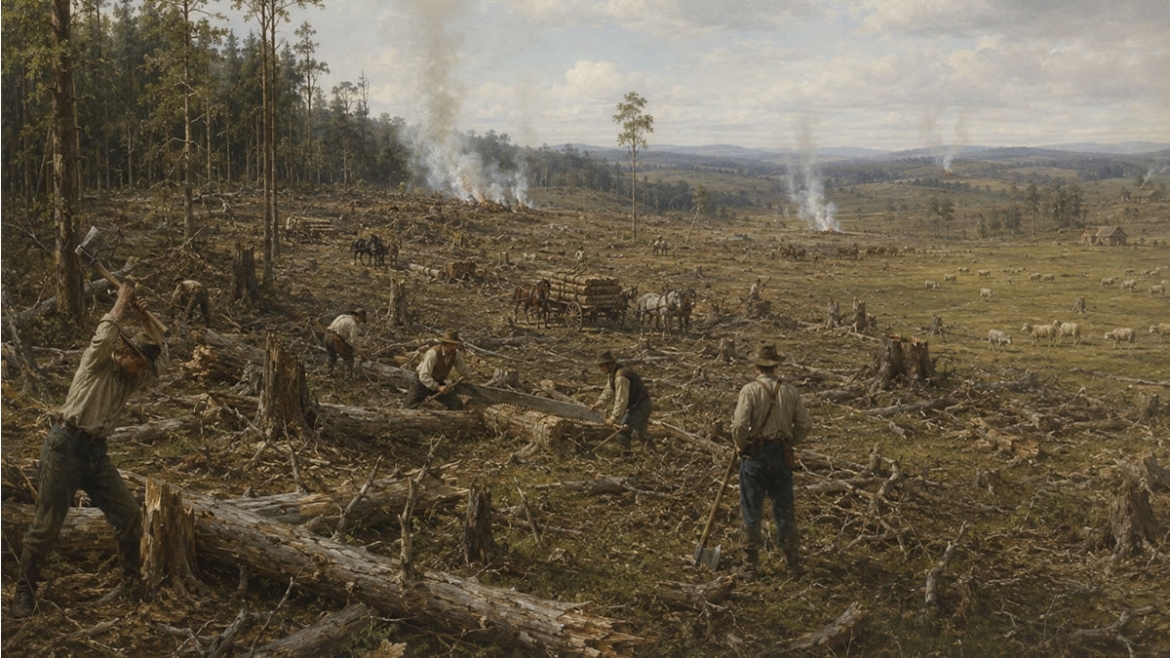
Most people today have very little appreciation of the massive destruction that once ravaged this little forest. Hundreds of trees were cut down, stones were dug up and piled in lines, and millions, no billions – wait make that – trillions of other living things were instantly killed, starved, or disrupted. They were replaced by flocks of sheep. The farmer did all this destruction in order to reap the profits being made from the high price for wool. It was a careless act of cruelty and greed that still being felt today – two centuries later.
They say this was all brought about by the 1807 Embargo Act, which blocked wool imports from Great Britain. The demand was great, and the local supply was limited. That caused wool prices to skyrocket, which made sheep farming too attractive for struggling subsistence farmers in Maine to resist. It didn’t take long for large parts of Maine to become treeless grasslands. By the time sheep became available to Warren farmers, the damage was done. By 1820 what was left of this forest was unrecognizable.
It was a painful experience. Occasionally small pastures can be a part of the otherwise forested landscape. Many plants can flourish there that cannot survive under the dense canopy of a mature forest. Those pastures contribute to the great diversity that once characterized this healthy ecosystem. Yet, sheep fever did not bring about that sort of rich pasture that this forest hoped for. Instead the sheep trampled the ground and left it bereft of the ingredients necessary for the land to recover and the forest to regenerate. It has taken two centuries for the forest to become what you see today. If left alone, it will probably take another two centuries for the forest to fully heal.