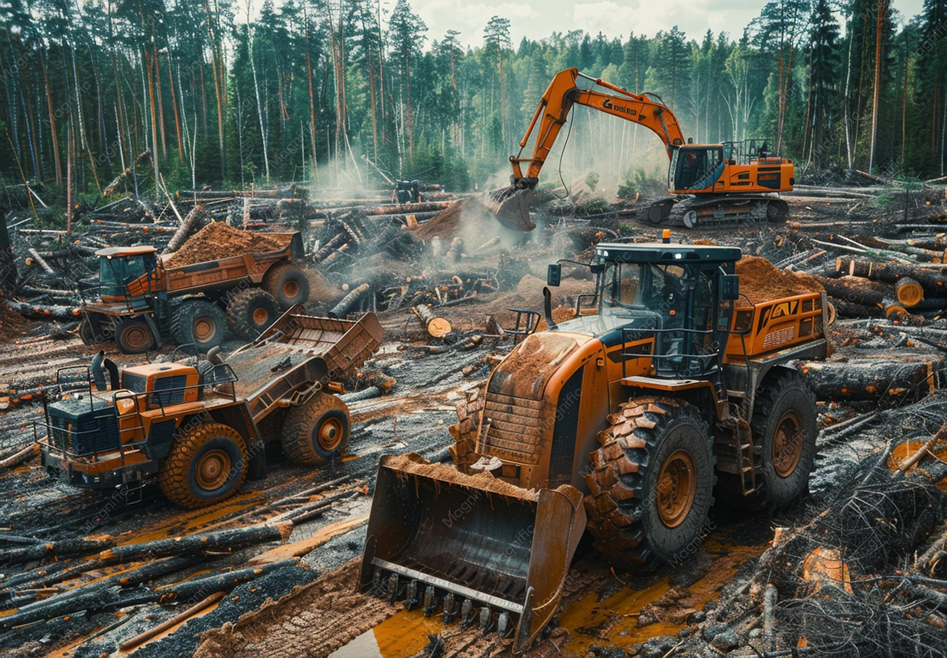
The more I observe human behavior as it relates to this forest, the more I realize that profit has repeatedly been one of the strongest motivations. There are several tall 100-foot, straight pine trees here that are economically worthwhile to cut, chip, or removed by some other means. They are accessible and can be conveniently felled. Someone could easily earn a nice profit. Many other trees are too small and are left to grow until they reach profitable heights.
This traditional view of forest management is consistent with the belief that trees are just things, objects with little value beyond monetary gain – objects to be exploited regardless of any consequences. The problem is that these consequences are rarely seen or understood. For this style of forest management each successive profitable harvest can be as frequent as every ten years.
“Sustainability”, “forest integrity”, and “healthy ecosystems” are offered as justifications for managing a forest this way. The implication is that there is only positive cash flow to be gained with nothing to lose.
But there is a loss side to the ledger that must be addressed. First of all, who is best to judge if the ecosystem is healthy or not? Who is to say the integrity of the forest is being maintained? Isn’t the forest itself the best to assess the impacts? The reason the losses are not considered is because they only burdens for the forest. When a tree falls and is removed, it is a loss suffered only by the forest. The biomass accumulated over decades is extracted from the forest and is no longer available to perform its next ecological role there. It is no longer available to benefit the remaining ecosystem. In fact, one of the few things returned to the forest is pollution from the machinery, transportation, and manufacturing required to remove and process the timber. How can we call that depletion a contribution to the health and integrity of the forest?
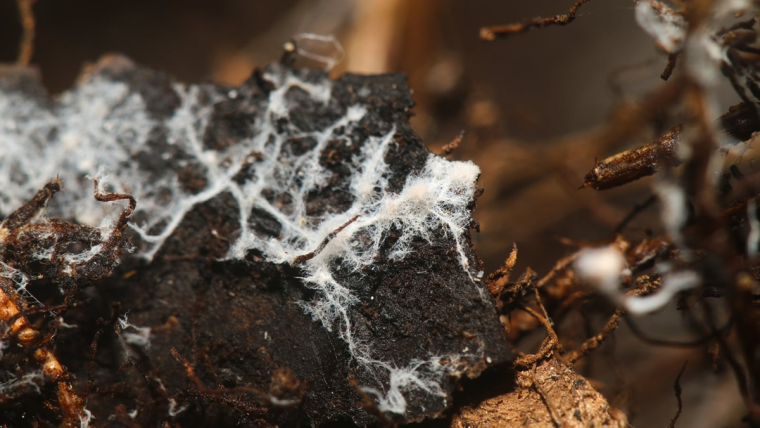
Forests have a built-in mechanism to maintain its health and integrity. Trees will die and fall on their own. Deadwood contributes enormously to nutrient cycling, fungi, insects, wildlife habitat, moisture retention and soil organic matter. It has been this way for eons. It contributes substantially to how top soil is created and how biodiversity is strengthened. When well-intentioned people interfere with this process, the forest bears the brunt of these invisible losses.
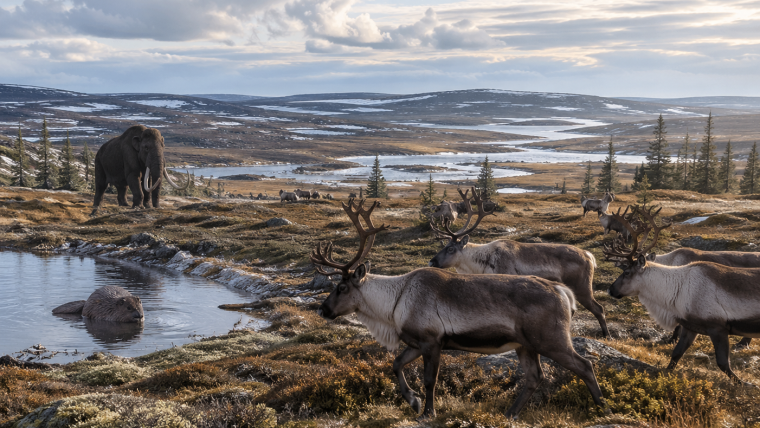
This is not what the forest considers to be a path to achieving long-term sustainability, health, and integrity. The forest was doing fine for thousands of years before people imposed their distorted profit-minded values. The forest never needed to be economically productive in order to be successful.